|
Below is a walkthrough on how to fill out the required information for your Consultation. We have already created a profile for you, and just need your help updating the important information for yourself and your dog(s).  This is the main login page to access all of your account details. Your default login information is the email address you provided us, and the default password of "password". This is all lower case. Please do not click new client as we have already set you up into our system.  This is your account overview. There are a lot of different tools to use here, but for now we will only focus on the profile information. The two tabs you'll be using are the 'My Info' tab and the 'Dogs' tab.  Under 'My Info' you'll see the basic information that you've already provided. As you scroll down you'll see the 'Additional Client Info' section that we need completed.  The 'Additional Client Info' as circled above, is what we need completed. 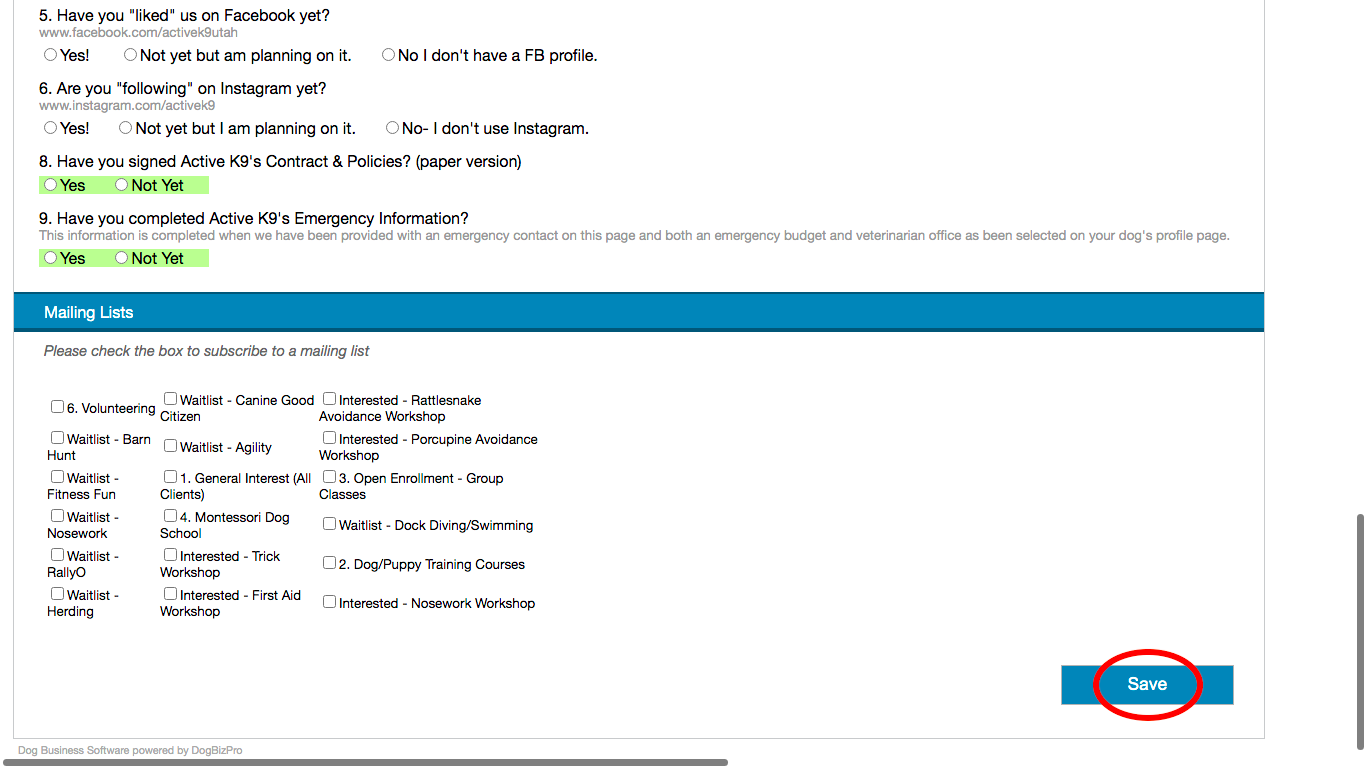 Once you've filled everything in just click 'save' at the bottom right of the page. A prompt will appear if any of the required information is missing. After saving successfully you'll see a message at the top of the page stating 'Your information was saved successfully'. You are now ready to move on to the next step. 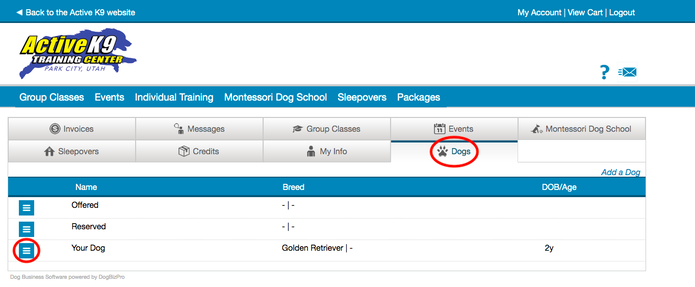 Here you will clock on the 'Dogs' tab to fill out the profile information for your pup. As you can see on our demo profile, there is a hamburger menu in-front of the dogs name. Click on that to enter settings for your dog. If you have multiple dogs you will need to do the following steps for each and every dog. 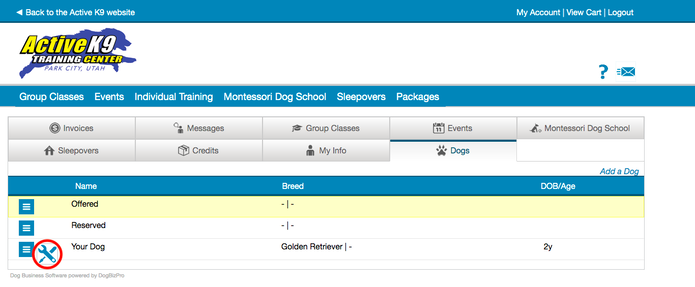 This is the settings button. Click on this to edit your dogs information. 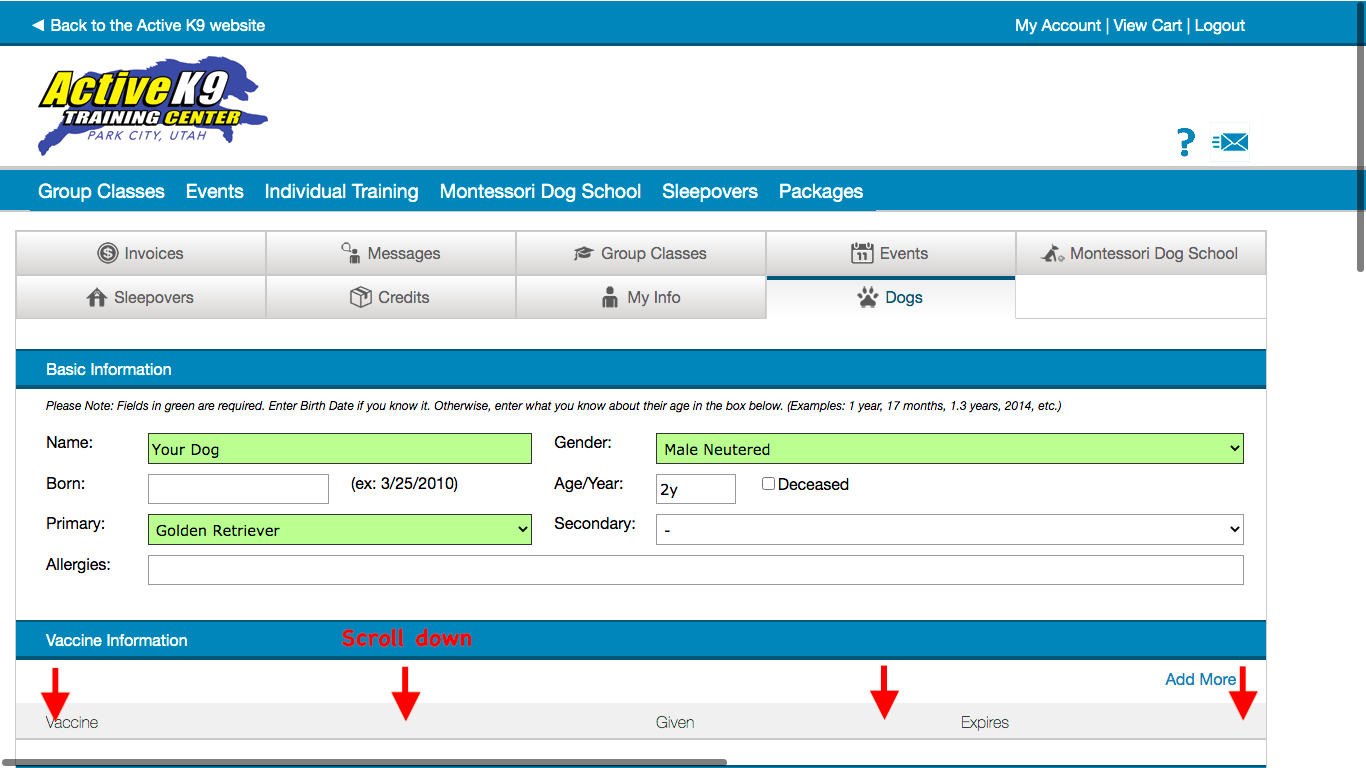 At the top of the page you'll see 'Basic Information' which should have already been filled out. Feel free to fix any errors, and enter your dogs date of birth if you know it. From there scroll down to find the 'Additional Dog Info' section. 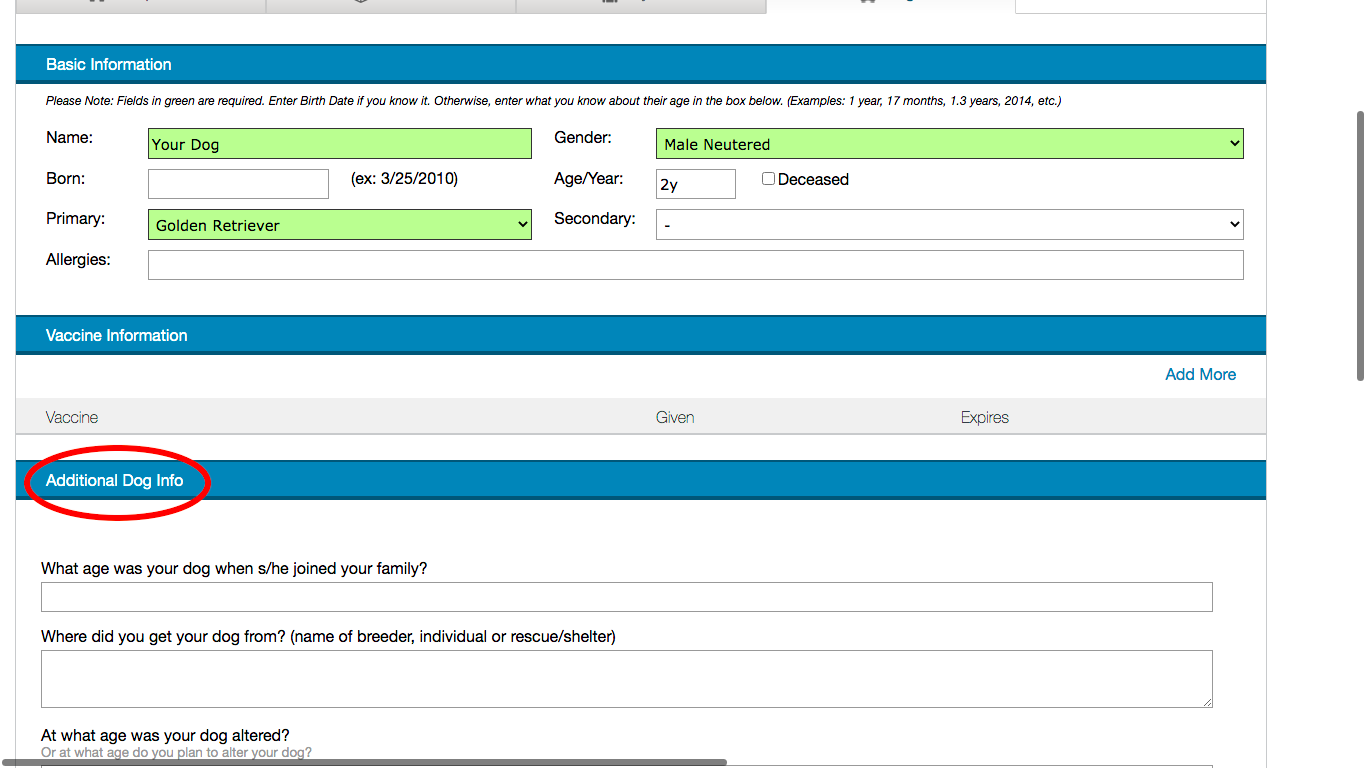 This is arguably the most important step for your consultation. These details give our trainers a better look into your dogs background. Please complete everything under the 'Additional Dog Info' section to the best of your knowledge. 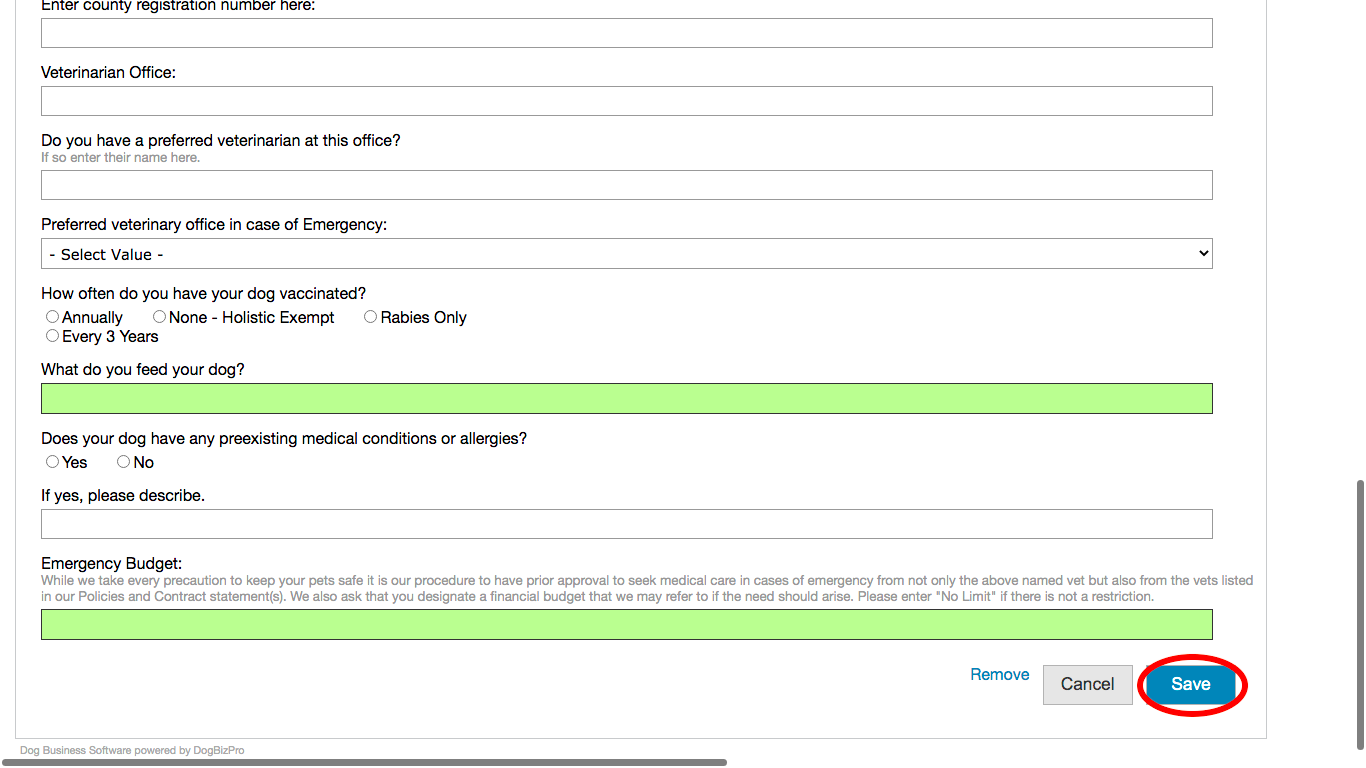 Once everything for your dog is filled out, simply hit the save button and you are all set. You can edit this at any time, but please give us a heads up if any of these things change. Shortly after this is completed you will get a confirmation email for your consultation. This email will also have our address and directions in it.
Please reach out to info@activek9utah.com if you have any questions or trouble completing the above steps. Thank you so much! WAGS! Staff at Active K9 www.activek9utah.com
1 Comment
It's the wonderful season of giving. While for most that means a present under the tree. But a lot of times for our dogs, that means an extra dose of people food!
While there is nothing wrong with showing your affections with the occasional table scrap, there is a way to do so safely. Below are some tips and tricks we've learned over the years. Things to avoid giving your dog: - Cooked bones: These can be dangerous to your dogs digestive tract, so they are best avoided. This is especially true for Turkey bones! But even ham bones and such can be dangerous, so they are best avoided all together. - Sweets & Fruity deserts: While not all sweets are bad for our furry ones, it can be tricky to know for sure. Things like Raisins can be toxic to dogs, making even a harmless holiday cookie into an issue. Keep healthy dog treats on hand for then the family decides to snack together. - Heavily seasoned meats: While we may prefer that well seasoned turkey skin, our dogs stomaches surely do not. Every dogs tolerance is different, so you need to know your pup. But for most of us, it's best not to test the waters, and stick to the less seasoned treats. Turkey breast meat is a great dog friendly snack, sans skin. Tips and Tricks: - Keep healthy treats on hand: Having your tried and true treats near by will make things so much easier amongst the holiday craziness. We often use a cookie jar to have treats within a quick reach. - Lay down some ground rules: While I love to see my dog spoiled by relatives, there is always a well defined boundary. There are many ways to set a boundary so fido doesn't get over fed by the entire household. I, for instance, prefer my company to ask before giving my dog a treat. That way I can see what it is, and track how much she's getting. But you can do something as simple as 'only x number of these treats per day.' Get creative, just don't be afraid to make 'treat rules' a priority. - Make your dog work for it: This one sounds simple, because it is! Just because it's the holidays doesn't mean treats HAVE to be free. Making your dog work a little bit to get their reward is both good for their brain, and a great way to combat holiday energy. Plus your relatives will love getting your dog to 'sit up' or 'play dead'! So what does a holiday dinner look like in our household with 8 dogs? Honestly, not as crazy as you might think. During any big dinner gathering, we utilize our dogs place skills. That means we give the dogs a designated area where they must stay until released. We often use place beds for this, but sometimes substitute crates or dog beds (even the couch). We typically put all the dogs in a place right before setting the table. After we have all had our fill, we free the dogs as a group. From here we usually designate one person to hand out goodies one at a time to the pups. Because we stick to this routine time and time again, it goes off flawlessly more often than not. Hello dog parents. Lately, we have had a growing issue with absent students from our Montessori Dog School. While we totally understand that life can and does happen, we still need to address the issues. But before that, we want to express how much we appreciate all of our clients, and how wonderful it has been to work with all of you. To explain the issue we have to explain a bit about how things work on our end. You see, when your dog is absent, it doesn't just keep us from having another friend to play with. Because of our limited size we are often completely booked, leaving some dogs on a waitlist hoping to come play. Without proper notice we cannot notify our waitlisted folks, resulting in an empty room and a couple of sad pups. 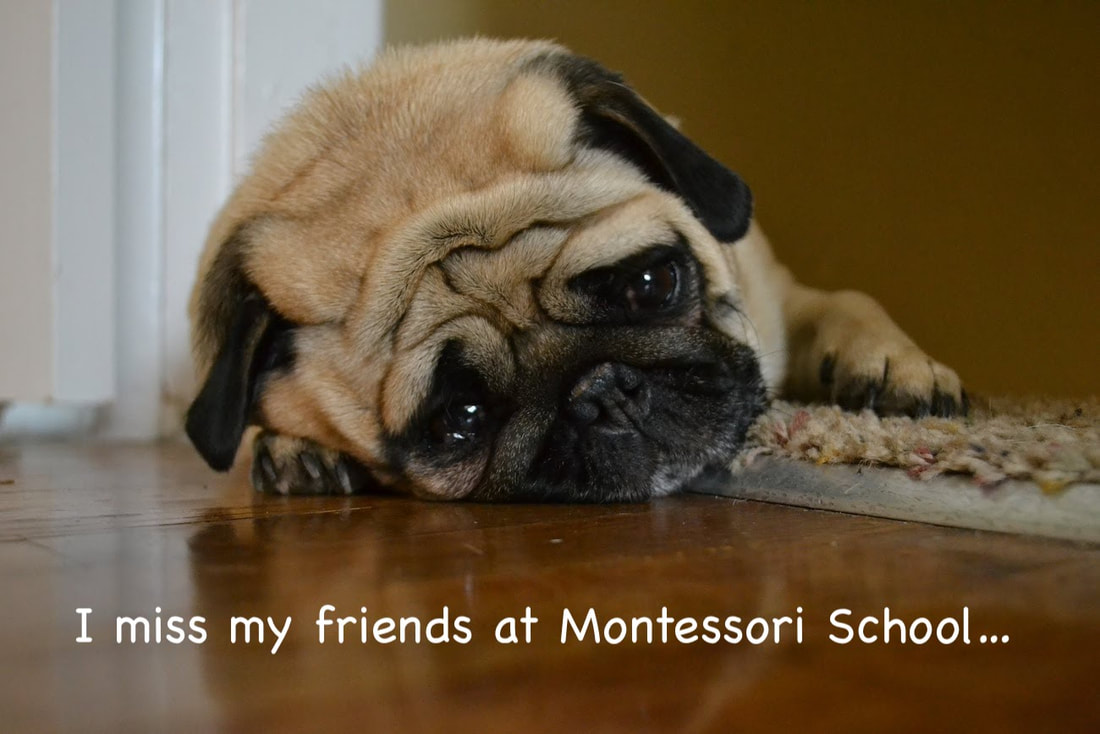 So we are asking you, MDS dog parents, please be a little more diligent with how we approach absent days here at Active K9. Below are a couple of refreshers on our policy, as well as some tips on how we can make this a better situation for everyone. Let Us Know if You Can't Make it: Can't get the pup to school? No worries, just let us know. Keep in mind, we no longer take schedule updates via text message or phone calls. We need all requests to be done via our Schedule Update Form. We can discuss possible changes, but it must be done via this form to be finalized. Simply save the link above in your favorite browser, and you will have it whenever you need it. Need it Done Faster? Because these are done through email, they aren't checked as rapidly as our office phone. If you have a change that needs to be taken care of in a faster manner, feel free to message the office line AFTER you have sent in your online request. That way we can get it taken care of right away. 24-hr notice: As you can see in our policy below, we have a 24-hr notice for our Montessori program. We have this in place to give us time to notify our waitlist, and see if we can fill that cancelation. If you haven't already, please familiarize yourself with the full policy below. Our policies that you agreed too Cancellation Policy: I understand that I will be charged a minimum cancellation fee of $25 if I fail to cancel a reservation at least forty eight (48) hours in advance. If I fail to cancel a reservation for a Sleepover, Sitting or Overnight program, I understand that I will be charged a no-show fee of up to (2) nights of said service in addition to the cancellation fee. If I fail to attend scheduled training or activity program it is Active K9’s sole discretion whether to reschedule missed activity or apply the cancellation fee. I understand that I will be charged credit off of my package or a $35 cancellation fee if I fail to cancel my Montessori Dog School reservation at least twenty four (24) hours in advance. Unannounced Absences: Unannounced absences can lead to disappointed students as more often than not we have a waitlist for school days. a. After 9:30am, any dogs not yet dropped off will be marked absent and may be charged either a package credit or a $35 fee. b. 3 infractions may result in expulsion from the Montessori Dog School program. Full documents
 Every July we hear horror stories about dogs that suffer through the 4th of July. While us humans enjoy the excitement of controlled explosions in the sky, our beloved pets tend to think WWIII has broken out, and that we have lost our minds for cheering about it. So do yourself and your dog a favor this year, and follow a couple of these guidelines to help ease their anxiety. Keep Them Inside: A big mistake we see folks make is assuming their dog is okay with the loud noises of fireworks. While some dogs may be okay, it's really hard to know 100% one way or the other. If you are unlucky enough to find out the hard way, the last place you want to do it is outside. Since dogs have a knack for out running us bi-pedals, it's a sure bet that you won't catch them if they get spooked bad enough. This is why it's a good idea to keep your dog indoors for the later part of the day on the 4th and 24th of July. The best practice, and something we do at Active K9, is to take you dog for an extended adventure either the day before or the morning of the 4th. Reducing their energy levels will help them to keep calm easier, which can make all the difference when the finale goes off. We then make sure everyone gets a potty break shortly before dusk, allowing you to get settled inside just before the celebrations get started. Don't Leave Them Alone:Have you ever noticed how much scarier a horror movie is when you are home all alone? Well, dog can have a tendancy to think that way about this crazy world we live in. If you aren't sure what kind of personality your dog has it is a good idea not to leave them alone for these holidays. Your fur baby might not be nervous at all while you are there, because they feel safe around you. But being home alone is a different story all together. If you really are dead set on making out to your local fireworks show, do the responsible thing and look for a sitter ahead of time. While it might not be as calming without you there, your dog will still greatly appreciate not being alone. Play White Noise:As I'm sure you are aware, what typically makes dogs so sensitive to fireworks is their exceptional hearing. A quick and easy fix to help you pooch relax is to give them something else to focus on. Just having the TV or radio on for background noise can go a long way in making your dog more comfortable. Pet Anxiety Products: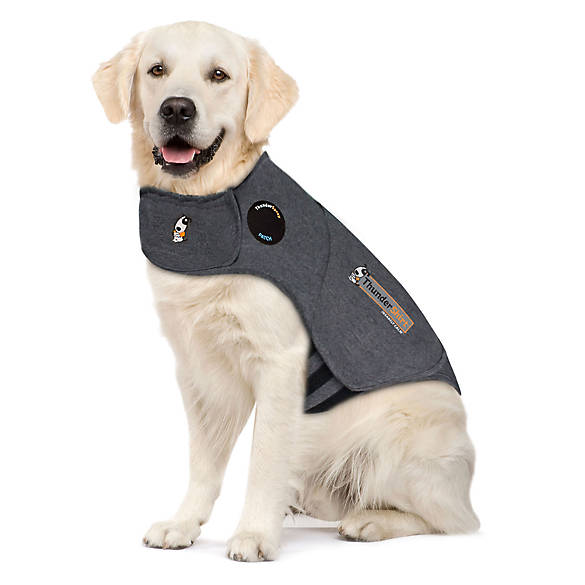 Some pups will definitely need more help than others in the keeping calm department. So much so that it can take more than a little white noise to keep them from worrying. Two great products that can really help are thundershirts or stress relief sprays. Thundershirts offer a consistent and gentle pressure to your dogs torso, mimicking the affects of being cuddled. This gives your pet a sense of security that drastically helps them cope with the anxieties around them. You can pick up a thundershirt at most pet stores, or directly from thundershirt.com.  Stress relief sprays are another popular option to help calm down a worried pet. Using essential oils these sprays are non-harmful to your pets, and will help calm their nerves after just a few sprits. It is common to mist the front legs and chest, but can also be used on your dogs favorite bed to give them a safe place. At Active K9 we have personally used Nature's Embrace Stress Relief Spray, and can attest to it working quite well.
|
AuthorsCarmie & Samantha have a combined 30+ years experience in raising, caring and loving dogs. Archives
July 2022
Categories |
 RSS Feed